

Do water kettles with a keep - warm function cost more to use?
Jul 15, 2025
Leave a message
Hey there! As a supplier of water kettles with a keep - warm function, I often get asked this question: "Do water kettles with a keep - warm function cost more to use?" Let's dive into this topic and break it down for you.
First off, let's understand how a regular water kettle works compared to one with a keep - warm function. A regular kettle, like the ones you can find on Cheap Electric Kettle, is mainly designed to boil water. Once the water reaches its boiling point, it usually shuts off automatically. It's a simple process that consumes energy mainly during the boiling phase.
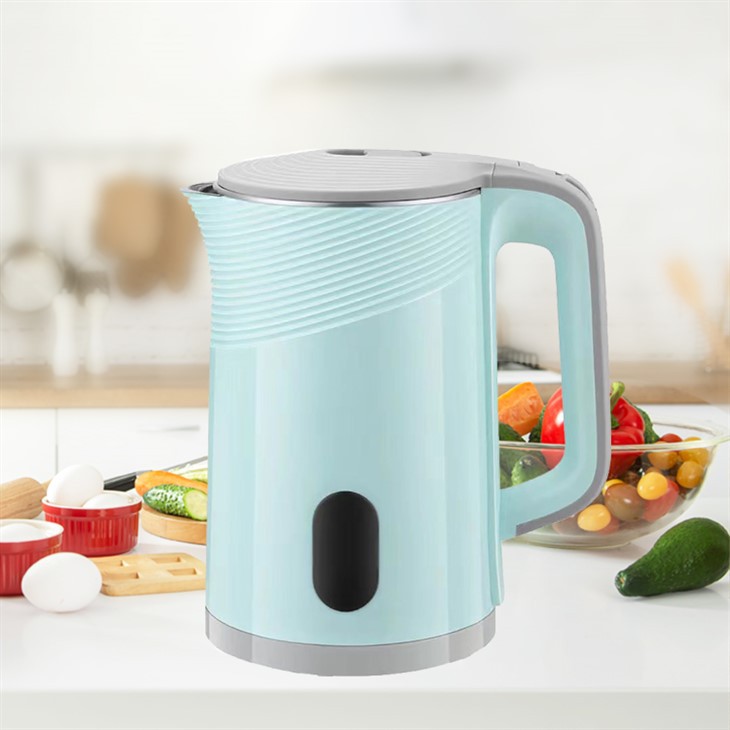
On the other hand, a water kettle with a keep - warm function not only boils the water but also maintains it at a certain temperature. After the water is boiled, the kettle's heating element kicks in periodically to counteract the heat loss and keep the water warm. This continuous operation is what makes people wonder if it costs more to use.
Now, let's talk about energy consumption. The energy consumption of an electric kettle is measured in kilowatt - hours (kWh). The power rating of a kettle, which is usually marked on the device, tells you how much power it uses per hour. For example, a typical kettle might have a power rating of 1500 - 2000 watts. When it comes to boiling water, both regular and keep - warm kettles use a similar amount of energy during the initial boiling process.
However, the difference lies in what happens after the water is boiled. A regular kettle just sits there, not using any more energy. But a keep - warm kettle continues to use a small amount of energy to maintain the water temperature. The power consumption during the keep - warm mode is significantly lower than during the boiling phase. Usually, it can range from 30 - 100 watts, depending on the model.
Let's do a quick calculation to see the difference. Suppose you have a regular kettle with a 2000 - watt power rating and a keep - warm kettle with a 2000 - watt boiling power and a 50 - watt keep - warm power. If it takes 3 minutes (or 0.05 hours) to boil water in both kettles, the energy used during boiling for both is (2000\times0.05 = 100) watt - hours or 0.1 kWh.
Now, if you keep the water warm for 2 hours in the keep - warm kettle, the energy used during the keep - warm period is (50\times2 = 100) watt - hours or 0.1 kWh. So, in total, for the boiling and 2 - hour keep - warm period, the keep - warm kettle uses (0.1+0.1 = 0.2) kWh. The regular kettle, on the other hand, only used 0.1 kWh for boiling and then nothing more.
But here's the thing. If you're someone who drinks multiple cups of hot water throughout the day, constantly boiling water in a regular kettle can end up using more energy in the long run. Every time you boil a new batch of water, you're using a relatively large amount of energy. With a keep - warm kettle, you can have hot water ready at all times without having to go through the energy - intensive boiling process repeatedly.
Another factor to consider is the type of keep - warm kettle. There are different types available in the market, such as Cordless Kettle with keep - warm functions. Cordless kettles offer more convenience, and some of them are designed to be energy - efficient. They often have advanced insulation materials that reduce heat loss, which means the kettle doesn't have to work as hard to keep the water warm.
Then there are also high - end Best Electric Water Kettle models with multiple temperature settings for the keep - warm function. These kettles allow you to choose the exact temperature you want for your water, whether it's for making tea, coffee, or just warm drinking water. By setting the temperature precisely, you can optimize energy consumption. For example, if you're making green tea, you don't need the water to be as hot as for black tea, so you can set a lower keep - warm temperature.
In addition to energy consumption, we also need to think about the overall cost - effectiveness. A keep - warm kettle might cost a bit more upfront compared to a regular kettle. But when you consider the convenience and potential energy savings in the long term, it can be a worthy investment. You save time by not having to wait for the water to boil every time you want a cup of hot drink. And if you're an avid tea or coffee drinker, having a keep - warm kettle can enhance your drinking experience.
Moreover, modern keep - warm kettles come with safety features such as automatic shut - off and overheat protection. These features not only make the kettle safer to use but also contribute to its overall value.
So, to answer the question "Do water kettles with a keep - warm function cost more to use?", it depends on your usage patterns. If you only need hot water occasionally, a regular kettle might be more cost - effective in terms of energy consumption. But if you use hot water frequently throughout the day, a keep - warm kettle can actually save you energy and money in the long run.
At our company, we offer a wide range of water kettles with keep - warm functions. Our kettles are designed with energy efficiency in mind, and we use the latest technology to ensure that the keep - warm function uses as little energy as possible while still keeping your water at the perfect temperature.
If you're interested in learning more about our products or want to discuss a potential purchase, feel free to reach out to us. We're always happy to answer your questions and help you find the best water kettle for your needs. Whether you're a home user or a business looking to stock up on high - quality kettles, we've got you covered.
References:

- "Energy Efficiency of Household Appliances" - A study on the energy consumption of various home appliances, including electric kettles.
- "Guide to Choosing the Right Electric Kettle" - An industry - based guide that provides information on different types of electric kettles and their features.