

What is the power consumption of an electric mince meat grinder?
May 22, 2025
Leave a message
What is the power consumption of an electric mince meat grinder?
As a supplier of mince meat grinders, I often receive inquiries from customers about the power consumption of our products. Understanding the power consumption of an electric mince meat grinder is crucial for both consumers and businesses. It not only affects the operating cost but also plays a significant role in energy - efficiency and environmental considerations. In this blog, I'll delve into the factors that influence the power consumption of electric mince meat grinders and provide some insights to help you make informed decisions.
Factors Affecting Power Consumption
-
Motor Power Rating
The most obvious factor affecting power consumption is the motor power rating of the meat grinder. Generally, meat grinders come with different motor power levels, typically ranging from 200 watts to 1500 watts or even higher for commercial - grade models. A higher - powered motor can handle tougher meats and larger quantities of meat more efficiently, but it also consumes more electricity. For example, a small, domestic [Small Meat Grinder](/meat - grinder/small - meat - grinder.html) with a 200 - watt motor will consume less power compared to a heavy - duty commercial meat grinder with a 1000 - watt motor. -
Meat Type and Quantity
The type and quantity of meat being ground also have a significant impact on power consumption. Tougher meats, such as beef with a high fat content or dense muscle, require more energy to grind. When the grinder has to work harder to break down these tough fibers, the motor draws more power. Similarly, grinding a large quantity of meat at once will consume more electricity than grinding a small amount. For instance, if you're grinding a whole chuck roast versus just a few ounces of ground beef for a single meal, the power consumption will be much higher in the former case. -
Grinding Speed and Settings
Most electric mince meat grinders offer different speed settings. Higher - speed settings usually consume more power because the motor has to rotate faster to achieve the increased grinding speed. If you choose a high - speed setting to quickly grind a large batch of meat, the power consumption will be higher compared to using a lower - speed setting for a slower, more precise grind. -
Efficiency of the Grinder
The overall efficiency of the meat grinder also affects power consumption. A well - designed grinder with high - quality components and a good gear system will convert electrical energy into mechanical grinding power more efficiently. In contrast, a poorly designed or worn - out grinder may waste more energy as heat or vibration, resulting in higher power consumption for the same amount of meat grinding.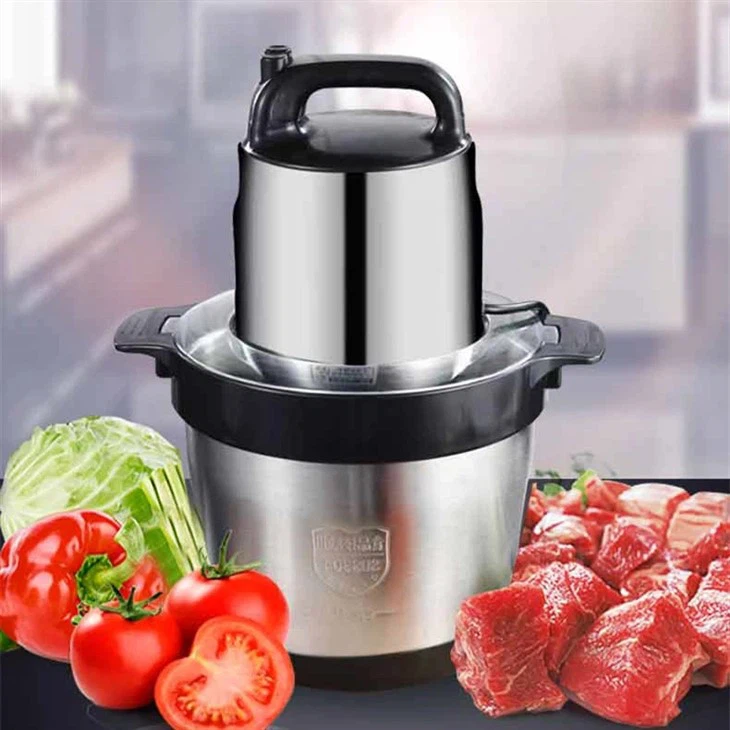

Measuring Power Consumption
To measure the power consumption of an electric mince meat grinder, you can use a power meter. A power meter is a simple device that can be plugged between the meat grinder and the electrical outlet. It measures the amount of electrical power (in watts) being used by the appliance at any given time. By running the meat grinder for a specific period and recording the power consumption on the meter, you can calculate the total energy used (in watt - hours or kilowatt - hours).
For example, if a meat grinder with a 500 - watt motor runs for 30 minutes (0.5 hours), the energy consumption is calculated as follows:
Energy (in watt - hours)=Power (in watts)×Time (in hours)
Energy = 500 watts×0.5 hours = 250 watt - hours or 0.25 kilowatt - hours
Cost Implications
The power consumption of an electric mince meat grinder directly affects the operating cost. The cost of electricity varies depending on your location, but on average, in the United States, the cost of electricity is around $0.13 per kilowatt - hour. Using the previous example of a 500 - watt meat grinder running for 30 minutes (0.25 kilowatt - hours), the cost of that single grinding session would be:
Cost = Energy (in kilowatt - hours)×Cost per kilowatt - hour
Cost = 0.25 kilowatt - hours×$0.13 per kilowatt - hour=$0.0325
For businesses that use meat grinders extensively, these costs can add up over time. Therefore, choosing a more energy - efficient meat grinder can result in significant cost savings in the long run.
Energy - Efficient Meat Grinders
As a supplier, we offer a range of energy - efficient [Electric Food Grinder](/meat - grinder/electric - food - grinder.html) and [Meat Chopper Machine](/meat - grinder/meat - chopper - machine.html) models. These grinders are designed with advanced motor technology and efficient gear systems to minimize power consumption while maintaining high - performance grinding capabilities.
One of the features of our energy - efficient models is the use of variable - speed motors. These motors can adjust the power output according to the type and quantity of meat being ground, thus reducing unnecessary power consumption. Additionally, our grinders are made with high - quality materials that ensure smooth operation and less energy loss due to friction.
Choosing the Right Meat Grinder Based on Power Consumption
When choosing an electric mince meat grinder, it's important to consider your specific needs. If you're a home cook who only grinds small amounts of meat occasionally, a low - power, energy - efficient [Small Meat Grinder](/meat - grinder/small - meat - grinder.html) would be a suitable choice. It will meet your needs without consuming excessive electricity.
On the other hand, if you're a professional chef or run a small - to - medium - sized food business, you may need a more powerful meat grinder. In this case, look for models that offer a good balance between power and energy efficiency. Consider the motor power rating, the availability of different speed settings, and the overall efficiency of the grinder.
Conclusion
In conclusion, the power consumption of an electric mince meat grinder is influenced by several factors, including the motor power rating, meat type and quantity, grinding speed, and the efficiency of the grinder. By understanding these factors, you can make an informed decision when choosing a meat grinder that meets your needs while keeping your energy costs in check.
As a supplier of high - quality meat grinders, we are committed to providing products that offer excellent performance and energy efficiency. Whether you're a home cook or a professional in the food industry, we have a wide range of meat grinders to suit your requirements. If you're interested in learning more about our products or have any questions regarding power consumption and energy efficiency, we encourage you to contact us for a detailed discussion. Our team of experts is ready to assist you in finding the perfect meat grinder for your needs and guide you through the purchasing process.
References
- Energy Information Administration. (2023). Average Retail Price of Electricity.
- Consumer Reports. (2023). Buying Guide for Meat Grinders.